
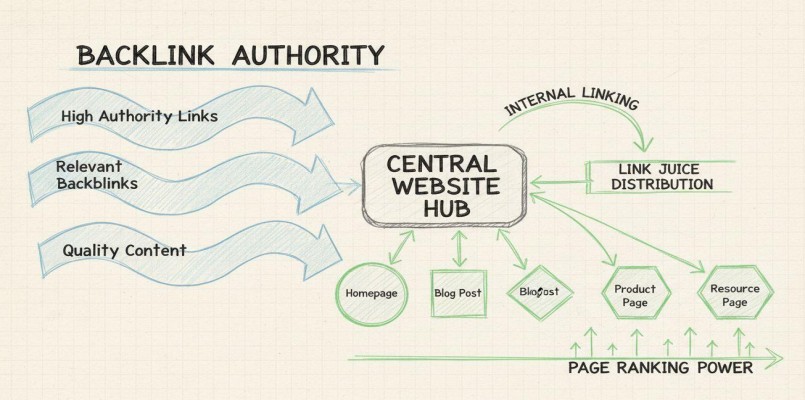
There’s a pattern in SEO that often goes unnoticed. A lot of people invest heavily in high DA domains, premium Niche PBN backlinks, and strong link sources with the expectation that the website might show up in the top of search results. But over time, the results don’t quite reflect the effort or the investment.
What’s usually overlooked is not the quality of the links, but where those links are being directed. Authority is not something you can simply “add” to a page and expect it to perform. It behaves more like a system that needs the right structure to work properly. If the page receiving that authority isn’t clearly defined, aligned, or built to support it, the impact weakens. Instead of building momentum, it fades out gradually. This is where many strategies start to lose effectiveness without it being immediately obvious. The effort is there, the resources are being used, but the direction isn’t clear. And in SEO, even strong signals need the right foundation to translate into meaningful growth.
The Most Expensive Link Building Mistake Nobody Talks About
Some of the most expensive mistakes in SEO don’t look like mistakes at all. Since, the metrics look solid, and links are being built consistently.. From the outside, it feels like progress should be happening.
But the real issue usually sits beneath all of that. It’s not about how much you’re building or how strong those links are, it’s about where that effort is actually being applied. When authority is directed without clear intention, even high-quality links can lose their impact.
You might notice patterns like:
- Strong backlinks pointing to pages that don’t move in rankings
- Consistent effort without consistent growth
- Good metrics, but no real momentum
This is where the disconnection happens. The strategy isn’t failing because the inputs are weak, it is failing because they’re not aligned with the pages that can actually use that authority. And over time, that misalignment becomes costly, not just in results, but in wasted potential.
Why high DA domains on the wrong pages quietly drain your strategy
When strong, high-authority links are pointed toward pages that don’t have a clear purpose or direction, the impact doesn’t land the way you expect. It’s not that the links lose their strength, it’s that the page receiving them isn’t able to translate that strength into something meaningful. From a search engine’s perspective, if the page itself isn’t clearly defined, the signal becomes harder to interpret, and as a result, it doesn’t convert into stable rankings.
What makes this hard to notice is how subtle it is. You might see small changes, rankings are moving a bit or pages showing slight improvement, but nothing stays long enough to grow. The effort and quality are there, but the results don’t increase with it.
You keep putting effort into strong links expecting growth, but instead, the results just stay the same and don’t move forward. Not because they’re ineffective, but because they’re not aligned with pages that can actually absorb and strengthen that authority. In SEO, it’s not just about having powerful signals, it’s about making sure they’re placed where they can truly make a difference.
What Makes a Page Actually Worth Linking To
Not every page benefits from backlinks in the same way. Some pages turn links into real growth, while others show little to no impact even when the links are strong.
The difference usually comes down to clarity and structure. When a page has a clear focus and fits naturally within your website, it becomes easier for search engines to understand and trust. That’s when niche PBN backlinks actually start making a difference. But if the page feels unclear or scattered, the value of those links gets diluted.
Pages that respond well to links usually:
- Focus on a specific topic or intent
- Clearly answer what users are looking for
- Connect well with other related pages
What separates a page that absorbs authority from one that wastes it
You’ll often notice things like:
- Authority reaches the page but doesn’t hold
- Signals don’t work together or support each other
- Growth feels slow or keeps fluctuating
Some pages are built in a way that helps them grow when they receive backlinks, while others don’t show much impact, even with strong links. The main difference is how clear and focused the page is.
A page that performs well has a clear purpose. It focuses on a specific topic, fits naturally within the website, and connects well with related pages. Because of this, search engines can understand it easily, and the authority from links actually strengthens it over time. On the other hand, pages that struggle often lack direction. They may have content, but they don’t clearly show what they are meant to rank for. When links point to such pages, the impact becomes weak.
In simple terms, authority only works when everything is aligned. If the page itself isn’t clear, even strong links won’t make a real difference.
Why controlling placement means controlling which pages actually grow
Growth in SEO doesn’t happen evenly across your entire website. It usually builds around a few pages that consistently receive the right kind of signals. That’s why where you place your links matters more than most people think.
Link placement is not just a technical step, it shapes which pages gain strength and which ones stay stuck. When links are placed with clear intent, they help certain pages grow steadily. But without that direction, growth becomes scattered and unpredictable.
How niche PBN backlinks direct authority with intention, not assumption
When niche PBN backlinks are used thoughtfully, they give you more control over how authority moves through your website. Instead of depending on random link placements and hoping for results, you can guide that authority toward the pages that actually need it.
This approach creates a more structured flow. Important pages get consistent support, while related pages strengthen the same topic around them. Over time, this builds authority in a connected way rather than in scattered pieces.
The results are not just better rankings, it’s more predictable growth. You’re no longer waiting to see what improves, you’re actively shaping which pages gain strength and how that growth happens.
How irrelevant placements confuse Google about your page
Search engines try to understand your website by looking for clear and consistent signals. When everything aligns, it becomes easy to figure out what your page is about and where it belongs. But when links come from unrelated or mismatched contexts, that clarity starts to break.
These kinds of placements introduce confusion. A link that doesn’t match your topic sends a different message than your content, and over time, these mixed signals make it harder for search engines to confidently place your page which leads to,
- Slower progress in rankings
- Positions going up and down without stability
- Signals not building trust as expected
At first, this might not be obvious. But as more of these mismatched signals add up, the overall impact becomes clear. Instead of strengthening your authority, they weaken how clearly your site is understood. In simple terms, relevance isn’t just a bonus, it’s what keeps everything clear and connected. Without it, even strong efforts can lose direction.
How to Find Niche PBN Links That Match Your Pages
Finding the right links isn’t really about going after the highest authority you can get, it’s about finding links that actually make sense for your page. A backlink only adds real value when it fits naturally within your topic and supports what your page is trying to say. When a link comes from a relevant context, it feels connected. It aligns with your content, strengthens your message, and makes it easier for search engines to understand where your page belongs. But when that connection is missing, even a strong link can feel out of place and lose its impact.
So instead of focusing only on metrics, it’s more effective to look at how well a link fits. The closer it aligns with your page’s topic and intent, the more useful it becomes, not just for rankings, but for building clear and consistent authority over time.
What relevance looks like when you find niche PBN links built around your topic
When you find Niche PBN links that are genuinely relevant, everything around them feels connected. A good link doesn’t feel added just for the sake of SEO. It blends naturally into the content and supports the same topic your page is focused on.
When a link is truly relevant, everything around it feels connected. The content where the link appears makes sense, the topic aligns with your page, and the placement doesn’t look forced or out of place. This kind of alignment makes it easier for search engines to understand your page and trust the signal being passed.
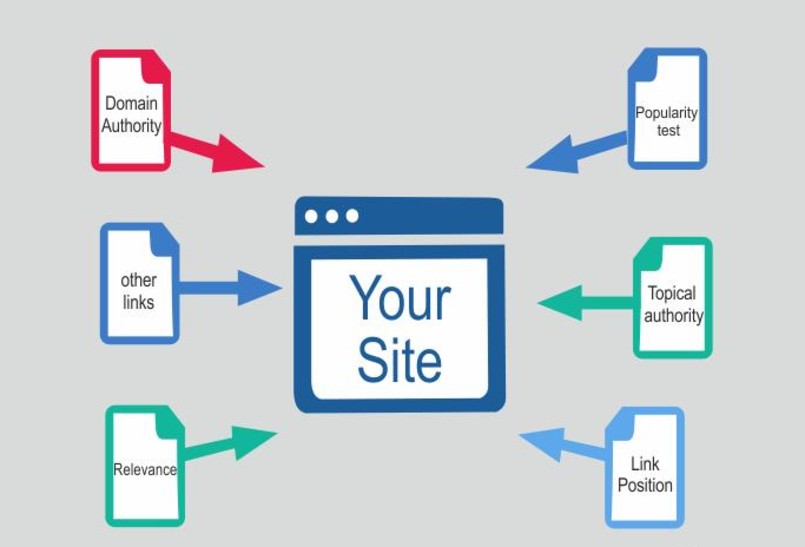
Instead of focusing only on metrics, it’s better to look at how naturally the link fits within its environment. The closer the match, the stronger and more reliable the impact becomes over time.
You’ll usually notice that:
- The linking site talks about similar or related topics
- The content around the link supports your page’s subject
- The placement feels natural and not artificially inserted
Why Casino PBN Links Expose This Problem Best
In many niches, small mistakes in SEO can go unnoticed for a long time. You might still see some progress, and it’s easy to assume your strategy is working. But casino SEO doesn’t work that way. It’s a highly competitive space where even small gaps in your approach become visible very quickly. If your links aren’t properly aligned or your placements don’t make sense, the impact doesn’t just reduce it fades almost immediately. There’s very little room for error, which is exactly why this niche reveals what actually works.
Because of this, casino PBN links make things clearer. They show whether your strategy is built on strong, connected signals or on assumptions that don’t hold up. When everything is aligned with relevance, placement, and structure, you can see consistent growth. But when something is off, it becomes obvious much faster than in other niches.
In a way, this environment acts like a filter. It removes the noise and highlights the real factors that drive results. That’s why casino SEO doesn’t just test your strategy, it exposes it.
How casino PBN links reveal the true cost of mismatched authority
In highly competitive spaces like casino SEO, there’s very little tolerance for inconsistency. Links that don’t align with your page or niche don’t just lose some value, they often get ignored altogether. This makes it much easier to see whether your strategy is actually working or just appearing to work on the surface.
When a link fits naturally, it strengthens your site’s authority and helps your website get more attention. But when it feels out of place, it doesn’t contribute in a meaningful way. Over time, this difference becomes very clear. What might take months to notice in other niches shows up much faster here, because every signal is being evaluated more strictly.
This is what makes casino PBN links so revealing. They highlight whether your approach is built on clear, connected signals or on mismatched placements that don’t hold up. Instead of masking weaknesses, this environment exposes them, showing you exactly where your strategy stands.
In the end, it comes down to a simple reality:
- Authority alone doesn’t guarantee results
- Placement plays a major role in how that authority is used
- Alignment decides whether your signals actually hold and build over time
The Audit You Should Have Done Before Buying Another Domain
Before putting more money into new domains or building additional links, it’s worth stepping back and looking at what you already have. The real question isn’t always “what more can I build?”, it’s whether your current pages are actually ready to benefit from that investment. A lot of strategies skip this step because it doesn’t feel as exciting as acquiring new links. But this is often where the biggest gaps exist. If your existing pages aren’t clearly structured, focused, or aligned with what they’re trying to rank for, adding more authority won’t fix the problem, it just gets spread thin.
Taking the time to review your current pages changes how you approach everything that comes next. You begin to see which pages already have potential, which ones need improvement, and where your efforts can make the most impact. Without this clarity, it’s easy to keep adding more resources without really improving results.
How identifying your highest potential pages changes everything
Once you start identifying the pages that already have some traction, your entire strategy begins to feel more clear and intentional. Instead of trying to push every page forward at the same time, you focus on the ones that are already close to performing better. That shift alone can make a big difference in how your efforts translate into results.
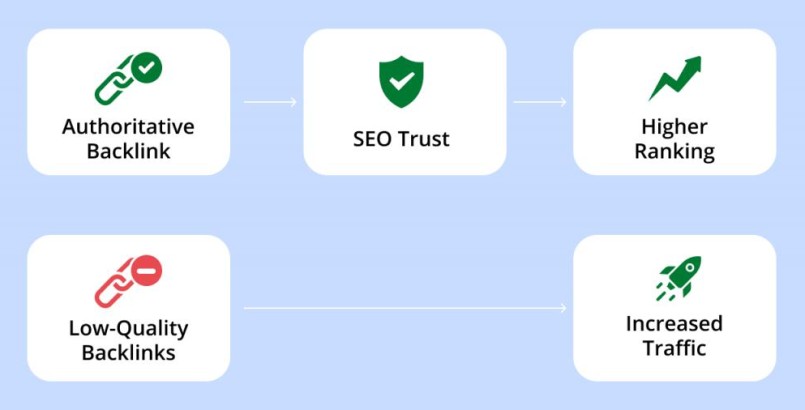
At this point, your approach naturally starts to change:
- From spreading effort – to focusing it where it matters most
- From just building links – to improving actual outcomes
- From constant activity – to working with clear direction
When you take a closer look through a simple audit, you begin to uncover things that aren’t obvious at first:
- Pages that are already close to ranking higher
- Small content gaps that are holding performance back
- Structural issues that are limiting how authority flows
With this kind of clarity, your decisions become easier. You’re no longer guessing where to invest your effort, you’re working with pages that are already showing potential. And when you support the right pages in the right way, link building starts to feel more effective, more predictable, and much more rewarding over time.
FAQs
Why don’t high DA domains always work?
Because authority needs the right page. Weak or unclear pages can’t use strong links effectively.
What makes a page worth linking to?
Clear focus, strong relevance, and proper structure help pages absorb authority better.
What are niche PBN links?
They are controlled, relevant backlinks used to direct authority to specific pages.
Why do some pages fail despite strong links?
Because if signals aren’t aligned, authority doesn’t build properly.
What should you do before building more links?
Audit your pages and focus on ones with real ranking potential.