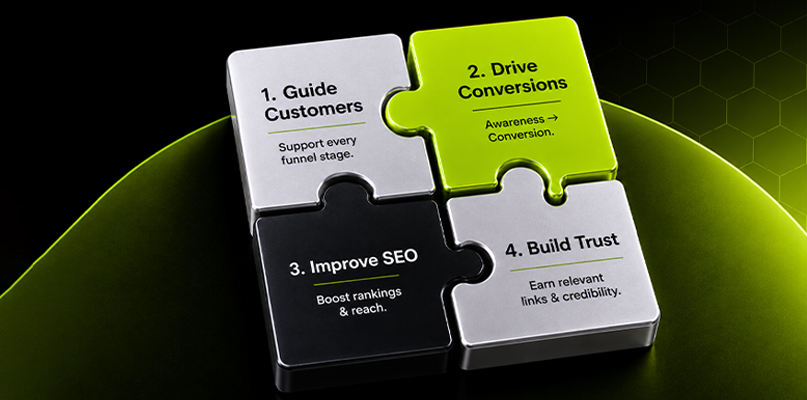
Niche relevant backlinks can support every stage of your digital marketing funnel by connecting your brand with audiences already interested in your industry. They can increase relevant visibility during awareness, build credibility during consideration, and strengthen trust before conversion. Unlike generic links, niche-relevant placements provide contextual value, helping your SEO strategy attract more qualified traffic rather than simply increasing backlink volume.
How Targeted Link Building Closes the Gap Between Traffic and Conversions
Getting more visitors to a website is only part of the digital marketing equation. The real challenge is attracting people who are actually interested in what a business offers. This is where niche relevant backlinks can make a difference. Instead of focusing on links from any available website, targeted link building puts your brand in front of audiences who already have some connection to your industry.
For example, a backlink from a relevant industry website can introduce your business to potential customers while also giving them a reason to explore what you offer. Someone discovering a service through a trusted website within their niche is more likely to be genuinely interested than someone arriving through an unrelated source.
This relevance can support the customer journey beyond simply generating clicks. It can help build familiarity, reinforce credibility, and guide potential customers towards pages where they can learn more or take action. When backlinks are chosen based on industry relevance, audience fit, and search intent, traffic becomes more meaningful.
The Silent Funnel Leak No One’s Talking About
A business can rank well for high-value keywords and attract plenty of organic traffic, yet still struggle to turn that visibility into real business outcomes. The issue may not be a problem with the funnel itself. Instead, the real gap could be between the pages bringing visitors to the site and the level of authority supporting those pages.
When valuable landing pages lack the right authority signals, strong rankings may not translate into qualified leads, enquiries, or conversions. This disconnect can leave an important part of the SEO funnel underperforming even when overall organic visibility looks healthy.
Why More Backlinks Don’t Always Mean More Revenue
Having a large number of backlinks may look impressive in a report, but volume alone does not tell you how valuable those links really are. A hundred links from unrelated, weak, or repetitive websites could deliver less value than a smaller set of relevant and trustworthy referring domains.
Semrush’s current guidance also places greater importance on factors such as relevance, authority, and placement rather than treating backlink quantity as the main goal.
A better question to ask is:
Does each link add genuine value to the page, topic, or audience?
For example, a link from an industry publication covering the same problem your product solves has a clear connection to your target audience and funnel. A random link from an unrelated website may provide a backlink, but it does not necessarily offer the same relevance or context.
Spotting the Disconnect Between SEO Effort and Funnel Performance
Don’t focus only on rankings or the total number of referring domains. If organic traffic is growing but qualified leads, product enquiries, or sales remain flat, look closely at which pages are receiving backlinks and whether those links match the right search intent.
For example, a business might build strong backlinks to informational blog posts while its commercial landing pages receive far less support. This can increase top-of-funnel visibility without giving the pages that drive enquiries and conversions the authority they need.
What Makes a Backlink “Niche Relevant” (And Why It Matters)
A niche-relevant backlink is more than simply getting a link from a website that happens to mention the same keyword. True relevance can be considered across several layers, including the referring domain, the specific linking page, the surrounding content, and the natural reason for the link.
Ahrefs describes topical relevance in link building as the connection between the subject of the page providing the link and the subject of the page receiving it.
Relevance vs. Authority: The Metric Most Marketers Get Wrong
Authority and relevance should not be viewed as competing factors. A high-authority website can provide valuable exposure, but if the placement has no meaningful connection to your content, its contextual value may be limited.
For example, a business offering specialist accounting software could gain strong relevance from a respected accounting publication covering financial automation. A link from an unrelated entertainment website might have impressive domain metrics, but it would have little connection to the business or its audience.
The strongest backlink opportunities often bring together:
- Topical relevance.
- Credible domain authority.
- Useful surrounding content.
- Appropriate placement.
- A genuine reason for the link to exist.
Semrush also recommends considering both authority and niche relevance instead of automatically dismissing a highly relevant website simply because its authority metrics are lower.
How Search Engines Read Context Before Counting a Link
Google explains that links help its systems understand what individual pages are about and how different pages connect. Its guidance also recommends using descriptive link text, as this gives both users and Google clearer information about the page being referenced.
This is why the context surrounding a backlink matters. A relevant link placed naturally within an informative article can provide much stronger context than an isolated link positioned in an unrelated part of a website.
| Niche Backlinks vs. Generic Backlinks | ||
| Factor | Niche-Relevant Backlink | Generic Backlink |
| Topic alignment | High | Variable |
| Context | Directly related | Often unrelated |
| Audience relevance | Usually stronger | Uncertain |
| Referral potential | More qualified | Less predictable |
| SEO evaluation | Easier to justify naturally | Can appear disconnected |
| Funnel relevance | Can support specific intent | Often limited |
Mapping Backlinks to Every Stage of the Marketing Funnel
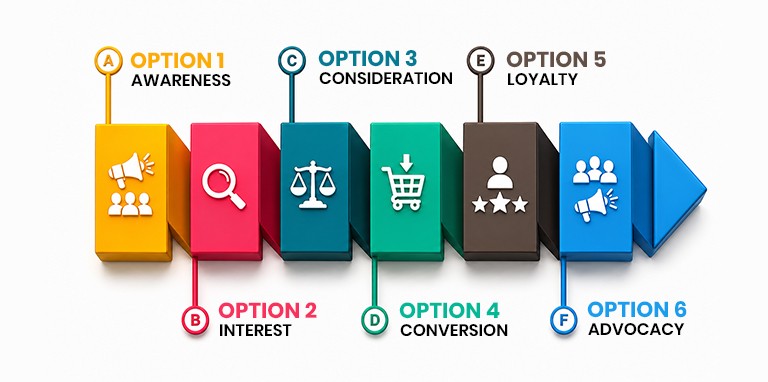
Backlinks can support far more than simply improving search rankings. Different types of content can attract relevant links while helping potential customers at different points of the buying journey. When backlinks are planned around each funnel stage, they can support awareness, consideration, and conversion rather than serving as a standalone SEO tactic.
Top-of-Funnel: Building Awareness Through Niche Authority Sites
At the awareness stage, the goal is to introduce your brand to people who are exploring a problem or learning about a topic, rather than actively searching for a product to purchase.
Industry publications, specialist blogs, resource pages, and educational content can help put your brand in front of audiences who already have an interest in the subject.
For example, a cybersecurity company could earn links from technology publications covering emerging security threats. The reader may not be ready to buy yet, but the brand begins to become familiar and connected with the problem they are researching.
Mid-Funnel: Using Backlinks to Reinforce Trust and Consideration
At the mid-funnel stage, potential customers are actively comparing different solutions. This is where case studies, research, comparison content, and in-depth guides can help them evaluate their options.
Backlinks to these resources can improve their visibility while adding valuable third-party context around the brand. A relevant link from a trusted industry resource can strengthen the perception that a company genuinely understands its field, rather than simply promoting and selling a product.
Bottom-of-Funnel: How Relevant Links Influence Buying Decisions
Commercial pages can benefit from relevant external links, although their strongest impact on conversions often happens indirectly.
Someone may first discover a company through an industry article, then search for the brand, visit its service page, check reviews, and eventually become a customer. This shows that backlinks can support the wider customer journey rather than acting as a direct conversion tool on their own.
The Risk of Ignoring Relevance in Your Link Strategy
A backlink profile should look natural and make sense as a complete picture. When a large share of links comes from unrelated websites, relies on repetitive anchor text, or comes from questionable networks, the campaign can create unnecessary risk instead of delivering meaningful value.
Semrush’s backlink network analysis also distinguishes between highly relevant link networks and patterns that may indicate potentially harmful or unnatural linking activity.
What Happens When Your Backlink Profile Doesn’t Match Your Niche
An inconsistent backlink profile can make it harder to establish a clear topical connection between your website and the domains linking to it.
For example, if a specialist home renovation business receives most of its backlinks from unrelated gambling, entertainment, or generic websites, the overall profile may not naturally reflect the company’s expertise or industry focus.
Common Red Flags in Low-Quality Link Campaigns
A practical backlink audit should watch for:
- Large volumes of unrelated referring domains.
- Sudden, unnatural increases in link acquisition.
- Repeated use of exact-match anchor text.
- Links coming from obvious link farms.
- Pages created mainly for selling backlinks.
- An unusually high number of links from the same network.
Google’s spam policies cover manipulative link-building practices, while Semrush also highlights unnatural link networks as a potential source of SEO risk.
PBN Backlinks for Local Niche Businesses: Opportunity or Risk?
Private blog networks can offer greater control over where backlinks are placed, which may seem appealing to local businesses competing in crowded niches. This added control can make PBNs an attractive option for specific link-building campaigns.
However, any potential advantages should be considered alongside the risks involved, particularly when deciding whether a PBN-based approach fits the business’s overall SEO strategy.

How PBNs Work and Why They Appeal to Local Marketers
A PBN typically involves several websites managed or controlled by the same operator, with links placed on those sites to support other websites.
The main appeal is greater control over key link-building elements, including:
- Placement.
- Anchor text.
- Content.
- Target URL.
- Niche alignment.
This level of control can make Niche PBN Backlinks attractive to marketers looking for specific placement requirements within their campaigns.
The Real Risks Behind PBN Backlinks in Local Niche Campaigns
The main concern is how Google treats manipulative link-building schemes. Google specifically considers buying or selling links intended to influence search rankings as a form of link spam.
There are also practical risks because a PBN can lose value over time. Domains may lose authority, content can be altered, and identifiable patterns or footprints may become easier for search engines to detect. For these reasons, PBNs should not be treated as a risk-free shortcut for achieving stronger local search rankings.
Building a Sustainable Niche Backlink Strategy
A sustainable backlink strategy should start with relevance, not with a fixed target for the number of links to acquire. Instead of focusing on how many backlinks can be built, the priority should be finding placements that genuinely relate to the website, its audience, and the topics it covers.
A strong approach considers the quality and context of each opportunity, including the relevance of the referring domain, the page where the link appears, the target URL, and the reason the link fits naturally within the content. This helps create a backlink profile that supports the wider SEO strategy rather than simply increasing link volume.
The goal should be to build a balanced profile over time, where every link has a clear purpose and contributes to the site’s overall topical authority. This makes the strategy more deliberate, sustainable, and aligned with long-term SEO objectives.
Identifying High-Relevance Link Opportunities in Your Industry
Start by analysing your competitors. Semrush recommends reviewing competitor backlink profiles to find websites that already link to businesses within your industry and may also be relevant to your own campaign.
Look for websites that:
- Cover your industry.
- Link to multiple competitors.
- Publish original research.
- Maintain active editorial content.
- Have an audience relevant to your business.
Semrush’s current backlink tools can also highlight domains that link to your competitors but not to your website. This makes backlink-gap analysis a useful way to uncover relevant prospects and identify potential link-building opportunities.
Measuring the Real Impact on Your Funnel
The number of backlinks gained is only one part of measuring campaign performance. If the real goal is generating revenue, evaluation should go beyond simply tracking how many links were acquired.
A stronger measurement approach should consider whether those backlinks are contributing to meaningful outcomes such as qualified organic traffic, leads, enquiries, conversions, and ultimately revenue. This provides a clearer picture of whether the link-building investment is actually supporting business growth rather than simply increasing backlink numbers.
Metrics That Actually Reflect Funnel-Level Backlink Success
Track performance across several key areas:
Visibility
- Organic impressions.
- Keyword visibility.
- Ranking changes.
Authority
- Referring domains.
- Relevant referring domains.
- New high-quality placements.
Engagement
- Referral traffic.
- Engaged sessions.
- Pages per visit.
Conversion
- Leads.
- Enquiries.
- Demo requests.
- Sales.
- Assisted conversions.
A backlink does not always need to generate a direct sale to provide value. It may contribute to brand discovery, increase branded searches, or strengthen overall authority. This is why funnel-level measurement should connect backlink activity with organic traffic and conversion data rather than judging performance by link volume alone.
A useful Link Building SEO Checklist should therefore track more than where each link was acquired. It should also record why the link was secured, which funnel stage it supports, and the measurable outcome it is expected to influence.
FAQs
- What are Niche PBN Backlinks?
Niche PBN Backlinks are links placed on private-network websites relevant to a specific industry or topic. They offer more placement control but carry SEO risks when used primarily to manipulate rankings.
- Are Homepage PBN Backlinks better than links to internal pages?
Not necessarily. Homepage PBN Backlinks point to the main domain, while internal links target specific pages. Their value depends on relevance, placement quality and the wider backlink profile.
- What makes a backlink niche relevant?
A backlink is more relevant when the referring website, linking page and surrounding content closely relate to the topic of the destination page.
- How can I evaluate the Best PBN Backlinks?
Look beyond domain metrics. Check relevance, domain history, content quality, outbound links, placement, target URL, retention and the risks associated with the acquisition method.
- What should a Link Building SEO Checklist include?
A Link Building SEO Checklist should cover relevance, authority, placement, target URL, anchor text, content quality, domain diversity, acquisition method, retention and funnel performance.