
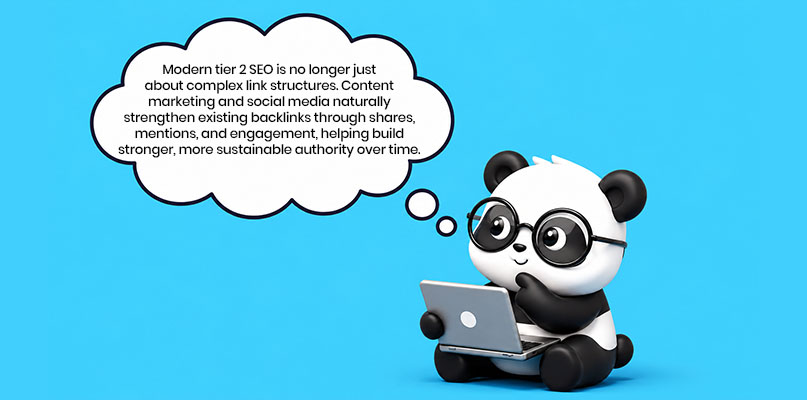
Most people still imagine best tier 2 backlinks as complicated link structures built underneath existing backlinks, but a large part of modern tier 2 SEO is already happening naturally through content and social media activity. Every time a blog gets reshared, discussed in communities, referenced in another article, or pushed across social platforms, it quietly strengthens the visibility surrounding the original authority source without most businesses even noticing it.
Search engines are also evolving far beyond evaluating backlinks as isolated signals alone. They increasingly pay attention to how relevance, engagement, attention, and content movement spread across connected digital environments. That shift is exactly why content marketing and SMM are becoming some of the strongest overlooked tier 2 assets today, because they help reinforce trust and visibility around existing links in a way that feels much more natural and sustainable over time.
You’ve Been Building Tier 2 Backlinks Without Knowing It
A lot of websites are already creating tier 2 signals without actively planning for it. Every time content gets reshared, mentioned in conversations, reposted on social platforms, or connected through supporting pages, it quietly strengthens the visibility around existing backlinks and authority sources in the background.
The biggest misunderstanding is that people still associate best tier 2 backlinks only with old-school link pyramids and aggressive automation tactics. But modern tier 2 SEO is becoming much more about reinforcing trust, relevance, and visibility around content ecosystems that already exist naturally.
That’s why today, the strength of an authority structure often depends less on how many backlinks exist and more on how consistently the surrounding content and engagement continue supporting them over time.
What tier 2 backlinks actually are and why most people misunderstand them
Tier 2 backlinks are basically supporting signals that help strengthen the backlinks already connected to your website. Instead of pointing directly toward your main site, they reinforce the pages, mentions, or authority sources that are already linking to you, helping those existing signals carry more visibility and relevance over time.
A lot of people still misunderstand tier 2 SEO because they associate it only with outdated automation methods and aggressive link pyramids. But modern tier 2 strategies are much broader and often revolve around naturally reinforcing authority through:
- Content amplification
- Social engagement signals
- Supporting contextual references
- Secondary authority reinforcement
In many cases, these indirect reinforcement signals end up strengthening search visibility in a much more natural and sustainable way than aggressive direct link building strategies alone.
Why Your Tier 1 Links Are Weaker Than They Should Be
Just because a backlink exists on a webpage does not automatically mean it continues passing strong authority consistently over time. Search engines now evaluate much more than the link itself, they also pay attention to how visible, relevant, active, and reinforced the surrounding page remains across the broader digital environment.
That’s exactly why tier 2 support has become much more important in modern SEO. Backlinks that are left unsupported often lose visibility and influence much faster, while authority structures strengthened through surrounding signals, content activity, and engagement usually remain far more stable over time.
The gap between a backlink that exists and one that actually passes authority
When there are no supporting signals reinforcing the visibility, relevance, or trust surrounding those pages, the impact of the backlink often becomes much weaker than people expect. Search engines now look beyond the existence of the link itself and pay closer attention to the activity and authority patterns surrounding the page over longer periods.
A stronger backlink usually benefits from:
- Ongoing visibility signals
- Supporting contextual relevance
- Consistent crawl activity
- Engagement surrounding the content
Without those surrounding layers reinforcing the placement naturally, even backlinks from strong pages can slowly lose momentum and influence much faster over time.
What the best tier 2 backlinks look like and how to identify them
The strongest tier 2 backlinks usually do not feel artificially constructed or aggressively pushed into a backlink profile. Instead, they tend to appear naturally connected to the same niche, audience, and content ecosystem already surrounding the original authority source. That natural alignment is often what makes the reinforcement feel more believable and sustainable over time.
Good tier 2 signals are usually supported by visibility and relevance rather than sheer volume alone. They often come from content that continues getting shared, discussed, referenced, or discovered naturally across connected platforms and communities, helping strengthen the authority surrounding existing backlinks without making the structure look forced.
The real purpose of strong tier 2 SEO is not simply adding more links into the system. It is about reinforcing trust, visibility, and contextual relevance around authority sources in a way that feels organic enough for both users and search engines to interpret as naturally growing influence rather than manufactured activity.
Where Link building PBN Fit Into a Tier 2 Strategy And Where They Don’t
PBN links usually become much riskier when they point directly toward the main money site because the connection between the network and the primary asset becomes far more exposed. But when those same signals are positioned more carefully within tier 2 layers, the authority reinforcement feels less direct and structurally softer, which changes how the overall risk profile behaves.
That shift is one reason many modern SEO strategies prefer placing controlled PBN influence deeper into supporting ecosystems instead of attaching them aggressively to tier 1 assets where visibility patterns become easier to isolate over time.
- Tier 2 placement creates more indirect authority reinforcement
- Direct tier 1 PBN patterns usually carry higher structural exposure
- Supporting layers often help reduce aggressive footprint concentration
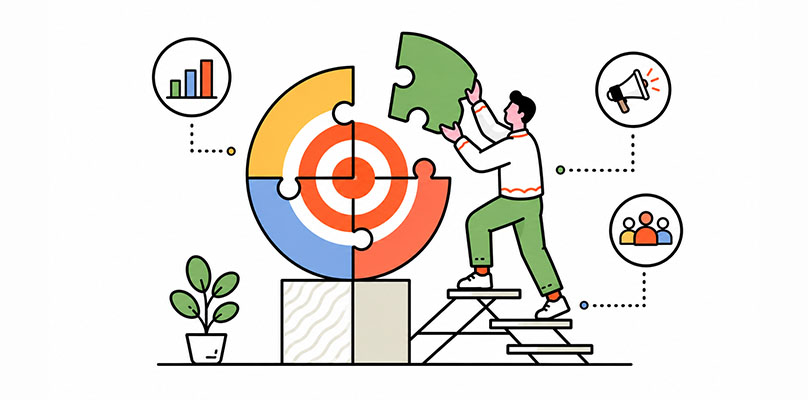
Why tier 2 is the safer position for Link building PBN and what changes when you move them to tier 1
When PBN links are positioned within tier 2 layers, they usually support existing authority pages instead of connecting directly to the main website itself. That extra layer of separation helps soften the structural exposure because the supporting pages absorb more of the visibility and pattern risk surrounding the links.
But once those same PBN signals move directly into tier 1, the entire authority structure becomes much more exposed and easier to trace over time. Modern search algorithms are far better at identifying direct manipulation patterns, especially when aggressive link behavior points straight toward primary assets.
- Tier 1 placement increases footprint visibility much faster
- Tier 2 structures create a more indirect authority flow
Link Building in 2026, What Still Works and What Quietly Died
Link building in 2026 is becoming far less about collecting isolated backlinks and much more about building connected authority ecosystems that feel naturally reinforced across the web. Search engines are paying closer attention to how relevance, engagement, visibility, and trust continue flowing around content over time instead of evaluating links as standalone signals alone. Because of that shift, aggressive one-dimensional link tactics are slowly losing reliability, while layered strategies supported by content marketing, social activity, and consistent visibility reinforcement are becoming much more sustainable for long-term SEO growth.
How Google’s updated link evaluation made tier 2 diversity non-negotiable
Modern search algorithms no longer evaluate backlinks as isolated signals sitting independently on the web. Search engines now pay much closer attention to the broader environments surrounding authority, including how relevance, visibility, engagement, and supporting references continue connecting naturally across different platforms and content ecosystems over time.
Because of that shift, backlink profiles without surrounding diversity often start looking structurally unnatural much faster. Stronger tier 2 strategies today usually succeed because they create multiple layers of supporting relevance and discovery around authority sources, helping the entire structure feel more balanced, active, and organically reinforced instead of artificially concentrated.
Why content-led tier 2 is the safest long-term play going into 2026
Content-led tier 2 strategies usually age much more naturally because they are built around visibility, engagement, relevance, and ongoing discovery instead of relying heavily on aggressive direct manipulation. Strong content continues attracting shares, mentions, discussions, and secondary references long after it is published, which helps reinforce authority in a way that feels much more organic over time.
That natural reinforcement often creates stronger long-term stability because the authority surrounding the backlinks keeps evolving through connected content ecosystems instead of depending only on isolated placements. As search algorithms continue becoming more sophisticated, strategies supported by genuine visibility and layered content activity will likely remain far more sustainable than shortcut-driven link structures that struggle to look naturally reinforced.
Safe Casino Link Building, Why Tier 2 Is Non-Negotiable in High-Risk Niches
Casino SEO operates inside one of the most heavily monitored search environments, which means aggressive backlink behavior usually becomes much easier for algorithms to notice over time. Because gambling niches already carry a long history of manipulation patterns, search engines tend to evaluate authority signals here with much stricter scrutiny.
That’s exactly why tier 2 reinforcement becomes so important in Safe Casino Link Building, because it helps distribute relevance, engagement, and authority signals more naturally around the primary backlinks instead of forcing all visibility directly into the money site itself.
- Tier 2 helps soften aggressive authority concentration
- Supporting signals make backlink structures feel more natural
- Content reinforcement improves long-term visibility stability
- Diversified authority flow reduces structural exposure
How content and SMM act as a protective buffer around tier 1 links in casino SEO
Content marketing and social media activity help build additional visibility layers around primary casino backlinks, making the overall authority structure feel broader and more naturally distributed. Instead of leaving tier 1 links isolated and overly exposed, these surrounding signals create supporting relevance and engagement patterns that soften how aggressively the backlink profile appears structurally.
- Social sharing helps reinforce visibility consistency
- Supporting content creates stronger contextual relevance
- Secondary mentions make authority patterns feel more naturally distributed
In high-risk industries like casino SEO, these surrounding reinforcement layers often play a major role in helping the primary authority structure appear less concentrated and more organically connected across the wider digital ecosystem.
How to Start Building Tier 2 With What You Already Have
Most websites already own enough content and visibility assets to begin strengthening their tier 2 authority without investing heavily into entirely new campaigns. Existing blog posts, social media activity, branded mentions, community discussions, and supporting pages can all help reinforce current backlinks when they are connected more strategically around the same authority direction.
One of the biggest mistakes businesses make is assuming tier 2 SEO always requires building something new from scratch. In reality, many strong reinforcement signals are already sitting inside the brand’s existing content ecosystem and simply need better alignment to support the authority that already exists.
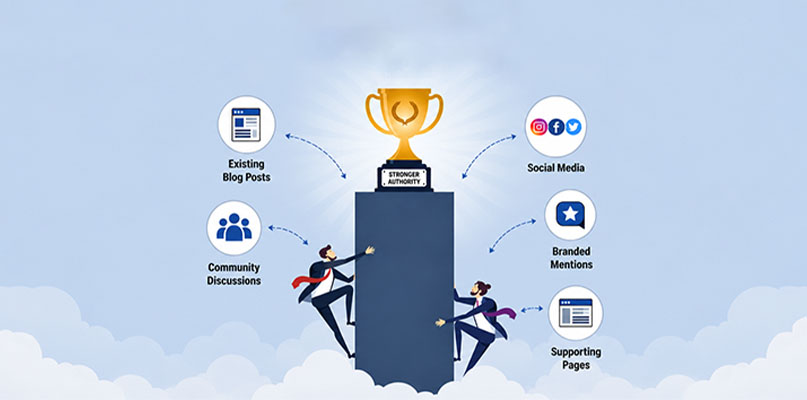
A simple framework to map your content and social activity to your existing tier 1 links
One of the easiest ways to strengthen tier 2 authority is by first identifying the backlinks already pointing toward your website and then building additional visibility around the pages connected to them. Instead of creating completely separate campaigns, the goal is to use existing content, social activity, and niche engagement to reinforce the authority signals that are already working.
A stronger tier 2 structure usually begins with understanding where your current visibility already exists and then gradually connecting supporting activity around those same authority sources so the entire ecosystem feels more active, relevant, and naturally reinforced over time.
- Existing authority pages
- Related content assets
- Social sharing paths
- Niche discussions
- Supporting visibility layers