

Many link-building efforts struggle not because of the links themselves, but because the website isn’t fully prepared to benefit from them. Issues such as technical SEO gaps, weak content, crawl inefficiencies, or an unhealthy backlink profile can reduce the impact of even high-quality backlinks. As a result, websites may see link acquisition activity without experiencing meaningful improvements in rankings or organic visibility.
Effective link building SEO begins long before the first backlink is secured. The real priority is ensuring the website has a strong foundation that can support authority growth. When the underlying structure is healthy and optimized, backlinks can contribute far more effectively to long-term search performance and sustainable ranking gains
Why Link Building SEO Fails Before It Starts
One of the most common mistakes in Linkbuilding SEO is prioritizing backlink acquisition before evaluating the website’s overall health. While backlinks can strengthen authority, their impact is often limited when a site is affected by technical issues, crawl barriers, outdated content, or underlying trust and quality concerns.
As a result, some websites invest heavily in link-building campaigns yet struggle to achieve meaningful gains in rankings, organic traffic, or search visibility. Without a solid foundation in place, additional backlinks may contribute far less value than expected.
No Foundation Audit Means Every Link Built on Shaky Ground
The effectiveness of any backlink strategy depends heavily on the condition of the website receiving those links. When crawl issues, content gaps, indexing problems, or unresolved technical errors exist, new backlinks often struggle to deliver their full SEO value.
Conducting a thorough site audit before starting link-building activities helps identify obstacles that could limit authority growth. Skipping this step can result in inefficient spending, slower progress, and reduced returns from an otherwise strong backlink campaign.
Why an SEO Checklist Changes Everything
Link building SEO is rarely a straightforward process. From evaluating site health and content quality to monitoring backlinks and authority signals, there are multiple factors that influence the success of a campaign. Without a clear framework, important steps can easily be missed, creating gaps that affect long-term results.
A well-structured SEO checklist brings order to the process by helping teams identify potential issues before they become larger problems. It ensures that critical elements are reviewed consistently, allowing link-building efforts to support a stronger and more reliable foundation.
Beyond reducing errors, a checklist also improves efficiency and repeatability. When every campaign follows a proven process, it becomes easier to maintain quality, track progress, and scale SEO activities with greater confidence over time.
The Pre-Build Checklist: What to Verify First
Effective link building starts long before outreach, guest posts, or backlink placements begin. Before investing time and resources into acquiring links, it’s important to confirm that the website is technically sound and capable of benefiting from additional authority. Addressing potential issues early helps create a stronger foundation for future SEO growth.
A pre-build review can help uncover hidden factors that may limit the effectiveness of a backlink campaign, including:
- Technical SEO errors affecting performance
- Crawlability and indexing issues
- Thin, outdated, or low-value content
- Existing backlink profile weaknesses
- Internal linking and site structure gaps
Completing these checks beforehand helps ensure that new authority signals contribute to meaningful ranking improvements rather than being diluted by unresolved problems. A well-prepared website is far more likely to gain lasting value from link-building efforts and achieve stronger long-term results.
Site Health, Index Status, and Crawlability: Address These First
Before focusing on backlinks, it’s essential to ensure that search engines can efficiently access, crawl, and index your website. Even the strongest link-building efforts can have limited impact if important pages are difficult for search engines to discover or interpret correctly.
Some of the most important areas to evaluate include:
- Whether key pages are properly indexed
- Crawl issues that may block search engine access
- The effectiveness of internal linking pathways
- Overall page accessibility and discoverability
A website with strong technical foundations allows authority signals to flow more effectively. When search engines can easily navigate and understand your content, backlinks are far more likely to contribute to improved rankings and long-term organic visibility.
Anchor Text Check: Are You Already Over-Optimised?
Anchor text plays an important role in how search engines interpret backlink relevance, but an overly repetitive approach can create problems. When the same keyword-rich anchor text appears too frequently across a backlink profile, it may look forced rather than naturally earned, reducing the overall balance of the link ecosystem.
A stronger backlink profile typically includes a wide range of anchor text variations. Branded terms, generic phrases, topical references, and natural language anchors help create a more diverse and authentic linking pattern. Maintaining that variety not only supports a healthier backlink profile but also reduces the risk of appearing overly optimized from an SEO perspective.
Competitor Gap Analysis: Identifying Untapped Authority Opportunities
Studying competitor backlink profiles can uncover valuable opportunities that may not be obvious when planning a link-building strategy from scratch. Rather than pursuing links without a clear direction, analyzing where competing websites gain authority can help focus efforts on areas with the greatest potential impact.
By examining the sources, content types, and trust signals that contribute to competitor visibility, it becomes easier to identify opportunities your website has not yet captured. These insights can highlight overlooked areas for growth and help shape a more targeted approach to authority building.
In many cases, the most effective link-building opportunities are found by understanding what is already working within your niche and using those findings to strengthen your own SEO strategy.
Core Link Building SEO Actions That Drive Results
The effectiveness of a link-building campaign is determined by more than the number of backlinks acquired. While some links can contribute meaningfully to search visibility and authority growth, others may have little influence despite appearing valuable at first glance. The real impact often depends on factors such as topical relevance, the credibility of the linking source, the context in which the link appears, and how naturally it aligns with the website’s overall authority profile. When these elements work together, backlinks are far more likely to support sustainable ranking improvements and long-term SEO performance.
Link Velocity: Why the Pace of Link Building Matters
The speed at which backlinks are acquired can be just as important as the sources they come from. Rapid spikes in link acquisition may appear unnatural when they are not supported by ongoing content development, brand growth, or increasing online visibility. A steady and consistent approach to authority building often creates a more natural growth pattern and contributes to stronger long-term SEO stability.
What Are Unnatural Links and Why Can They Impact Rankings Quickly?
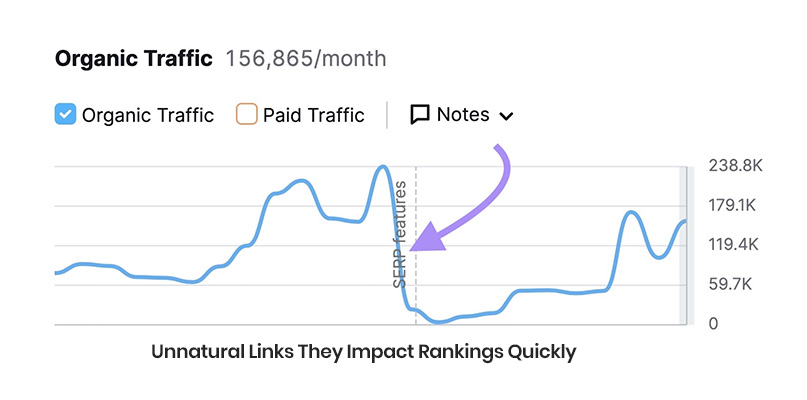
The answer to what are Unnatural links backlinks that appear to exist primarily for influencing search rankings rather than providing meaningful relevance or value to users. As search engines continue improving their ability to evaluate link quality, patterns that seem artificial or manipulative are becoming easier to detect.
Common signals that may raise concerns include:
- Excessive use of keyword-rich anchor text
- Links from irrelevant or low-quality websites
- Large volumes of links acquired in a short period
- Repetitive linking patterns across multiple domains
Even websites with otherwise strong backlink profiles can experience issues when questionable link signals begin to accumulate. Maintaining a natural, relevant, and balanced backlink profile is essential for supporting long-term SEO performance and reducing unnecessary risk.
How to Audit Your Profile for Unnatural Signals Before Rankings Decline
Backlink-related issues often begin developing long before they have a visible impact on rankings or organic traffic. Regular backlink audits can help uncover unusual patterns and potential risks while they are still manageable.
Reviewing anchor text distribution, referring domain relevance, and overall link quality provides valuable insight into the health of a backlink profile. Identifying concerns early makes it easier to address weaknesses before they evolve into larger SEO challenges that require extensive recovery efforts.
Link Quality Signals Most SEOs Overlook
Many link-building strategies concentrate on acquiring backlinks but spend far less time evaluating how those links perform over time. The long-term value of a backlink is influenced not only by where it comes from, but also by how well it remains relevant, visible, and integrated within an active content environment.
Key factors worth monitoring include:
- Whether the linking page continues to be crawled and indexed regularly
- Whether the backlink remains contextually relevant as content evolves
A backlink’s true value often becomes clearer after placement rather than at the moment it is acquired. Consistent performance, ongoing relevance, and healthy visibility patterns are usually stronger indicators of quality than acquisition alone.
Indexation and Crawl Behaviour: Is Your Link Being Discovered?
A backlink can only contribute value when search engines are able to find and process the page where it appears. If the linking page is not indexed, crawled regularly, or actively maintained, its ability to pass authority may be limited.
Key indicators include whether the page remains indexed, receives consistent crawl activity, and continues to stay active over time. These signals help determine how effectively a backlink can support SEO performance.
How to Buy PBN Blog Post Backlinks Without Damaging Your Profile
The effectiveness to buy PBN blog post backlinks depends far more on quality and relevance than on the number of links acquired. A well-maintained network with natural content and strong topical alignment is generally more valuable than large-scale placements with little context.
When evaluating PBN opportunities, focus on:
- Content relevance to your niche
- Overall quality of the network
- Natural link placement and structure
The goal should be building authority through carefully selected placements rather than pursuing volume alone. Strong evaluation often has a greater impact on long-term SEO performance than the number of backlinks acquired.
Quality Signals to Check Before You Buy PBN Blog Post Backlinks
Before investing in PBN blog post backlinks, it’s important to look beyond authority metrics and assess the overall quality of the network. Factors such as topical relevance, content standards, domain history, organic visibility, and hosting diversity can provide a clearer picture of whether the backlinks are likely to support long-term SEO growth.
Where PBN Links Fit in the Stack Without Leaving Footprints
PBN links are often more effective when they form part of a wider authority-building strategy rather than acting as the primary source of ranking influence. Relying too heavily on a single link source can create patterns that appear unnatural over time.
A balanced backlink profile distributes authority across multiple layers and sources. This approach helps create a more natural growth pattern while reducing the likelihood of leaving obvious link-building footprints.
The Quick-Reference Checklist for Every Link Building SEO Campaign

Before starting a link-building campaign, make sure the following areas have been reviewed:
- Website health and crawl accessibility
- Indexation of key pages
- Anchor text distribution and diversity
- Competitor backlink and authority opportunities
- Planned link acquisition pace
- Overall backlink profile health
- Potential unnatural link signals
- Indexation status of newly acquired links
- Content support and relevance strategy
- Authority diversification across sources
The most successful link-building campaigns are not necessarily the ones that acquire the highest number of backlinks. Their success often comes from combining a strong technical foundation, a well-defined strategy, and a balanced authority ecosystem that supports sustainable growth over time.



Pingback: Rhino Rank Alternatives Worth Considering in 2026