Understanding Google’s Stance on Backlinks
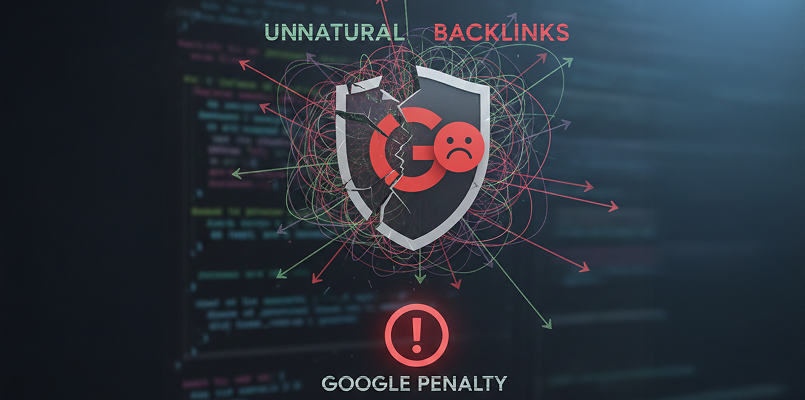
Google’s search algorithms are built around trust. Every ranking signal, including backlinks, is evaluated based on whether it reflects genuine value or artificial manipulation. Backlinks were originally intended to function as recommendations between websites, helping Google understand which pages deserve visibility. When this system is abused, Google responds with penalties to protect the integrity of search results. Unnatural backlinks are one of the most common reasons websites lose rankings, traffic, and credibility.
What Are Unnatural Backlinks?
Unnatural backlinks are links created primarily to manipulate search rankings rather than to provide value to users. These links do not occur organically and usually exist outside of a natural editorial context. They often come from irrelevant websites, link networks, paid placements without disclosure, or automated systems designed to inflate authority artificially. Unlike high quality backlinks, which are earned through relevance and trust, unnatural links exist solely to influence algorithms.
Why Google Penalizes Unnatural Backlinks
Google penalizes unnatural backlinks because they undermine the fairness of search results. When websites manipulate link signals, they gain visibility without earning it through content quality or relevance. This creates a poor experience for users, who expect search results to reflect authority and usefulness. Google’s guidelines are designed to discourage these practices and reward sites that grow organically. Penalties serve as both a corrective measure and a deterrent for future violations.
Types of Unnatural Backlinks That Trigger Penalties
One common type of unnatural backlink comes from paid links that pass ranking value without proper disclosure. These links are often placed on low-quality blogs, directories, or unrelated websites. Another frequent issue is excessive link exchanges, where websites agree to link to each other purely for SEO purposes. Private blog networks are also a major red flag, as they exist solely to generate backlinks and rarely provide real value. These patterns stand in contrast to high quality backlinks, which appear naturally within relevant, editorial content.
How Google Detects Unnatural Link Patterns
Google uses both automated systems and manual reviewers to identify unnatural link behavior. Algorithms analyze link velocity, anchor text patterns, relevance between linking sites, and the overall link profile of a domain. Sudden spikes in links, overuse of exact-match anchor text, and links from unrelated industries often signal manipulation. Manual reviews typically follow when algorithms detect suspicious patterns, increasing the likelihood of a penalty.
Manual vs Algorithmic Penalties
Unnatural backlinks can trigger either manual or algorithmic penalties. Manual penalties occur when Google’s spam team reviews a site and determines that it violates link guidelines. These penalties are communicated through Search Console and require corrective action before recovery. Algorithmic penalties, on the other hand, occur silently when Google’s systems devalue or ignore unnatural links. In both cases, rankings decline because the site no longer benefits from manipulated authority signals.
The Role of Anchor Text in Penalties
Anchor text plays a significant role in identifying unnatural links. When a large percentage of backlinks use the same keyword-rich anchor text, it signals manipulation. Natural link profiles contain varied anchors, including brand names, URLs, and contextual phrases. Over-optimization disrupts this balance and increases the risk of penalties. This is why sustainable strategies prioritize relevance and diversity rather than aggressive keyword targeting.
How Unnatural Backlinks Impact Long-Term SEO
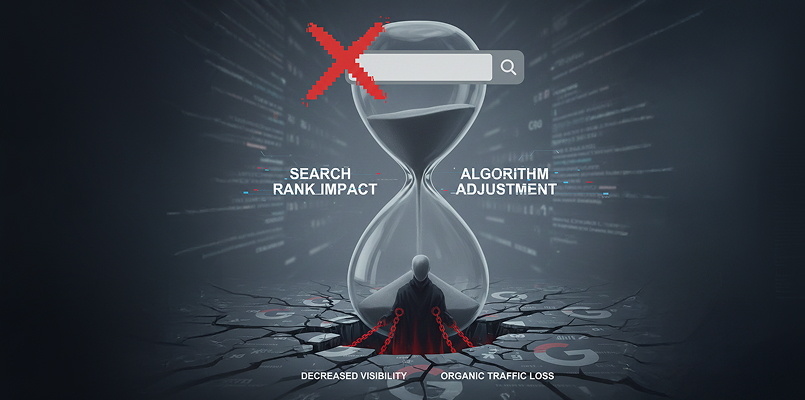
The damage caused by unnatural backlinks extends beyond immediate ranking drops. Penalties reduce trust, making it harder for a site to recover even after cleanup. Search engines become more cautious when evaluating future links and content from penalized domains. This slows growth and increases dependency on corrective actions rather than proactive optimization. Sites built on ethical practices and high quality backlinks avoid this cycle and achieve more stable performance.
Identifying Unnatural Backlinks on Your Website
Detecting unnatural backlinks requires regular auditing. Reviewing link sources, relevance, and anchor text distribution helps identify risk factors early. Many websites discover penalties only after traffic collapses, which makes recovery more difficult. Planning audits strategically with a seo planner allows site owners to align link analysis with content goals and search visibility trends, reducing the chance of overlooking harmful signals.
How to Fix Unnatural Backlink Issues
Fixing unnatural backlink issues begins with acknowledging the problem. Removing or disavowing harmful links is essential, but partial cleanup is rarely sufficient. Google expects genuine effort and long-term changes in strategy. Replacing manipulative tactics with ethical practices is the only sustainable solution. Recovery often takes time, especially after manual penalties, but consistency and transparency improve outcomes.
Building a Penalty-Safe Link Strategy
A penalty-safe strategy focuses on earning links through relevance, authority, and value. Content that educates, informs, or provides unique insights naturally attracts references from other websites. Outreach should prioritize relationships rather than transactions. When external support is needed, working with a best backlinks provider that follows editorial standards and avoids automation reduces risk significantly.
The Importance of Planning in Link Building
Link building should never be reactive. Randomly acquiring links without a broader strategy increases the likelihood of mistakes. Using a seo planner helps align content creation, keyword targeting, and link acquisition into a cohesive plan. This ensures that links support content rather than distort it and that growth remains gradual and natural in the eyes of search engines.
Avoiding Repeat Penalties
Once a site has been penalized, avoiding repeat violations becomes critical. Search engines scrutinize previously penalized domains more closely, making ethical practices non-negotiable. Continuing to pursue shortcuts or questionable link sources often results in harsher penalties. Long-term success depends on consistency, transparency, and patience. Choosing partners carefully, including a trustworthy best backlinks provider, plays a significant role in maintaining compliance.
The Difference Between Recovery and Growth
Recovering from a penalty and building future growth are two separate phases. Recovery focuses on removing harm, while growth focuses on rebuilding trust. This transition requires a shift in mindset from manipulation to value creation. Strategic planning with a seo planner ensures that recovery efforts evolve into sustainable optimization rather than temporary fixes.
Why Quality Always Wins Over Quantity
Search engines have consistently moved toward rewarding quality over quantity. Large volumes of low-value links no longer provide an advantage and often create risk instead. Editorial relevance, contextual placement, and genuine value define modern link success. This is why websites built on high quality backlinks consistently outperform those relying on volume-based tactics.
Choosing the Right SEO Partners
Not all SEO services operate within Google’s guidelines. Some prioritize speed and volume over safety, exposing clients to penalties. A reliable best backlinks provider focuses on long-term authority, transparent methods, and alignment with content quality. Asking the right questions before outsourcing link building can prevent months of recovery work later.
Unnatural Backlinks and Penalties
Unnatural backlinks remain one of the most common triggers for Google penalties because they directly attack the trust system that search engines rely on. While shortcuts may offer temporary gains, they almost always lead to long-term damage. Sustainable SEO requires patience, ethical practices, and a clear understanding of how search engines evaluate trust. By focusing on relevance, planning carefully with a seo planner, and committing to value-driven link strategies, websites can protect themselves from penalties and build rankings that endure.